Friday, 26 June 2015

The Peerless Pool Pleasure Garden Old Street//Katja HASENAUER [Y3]


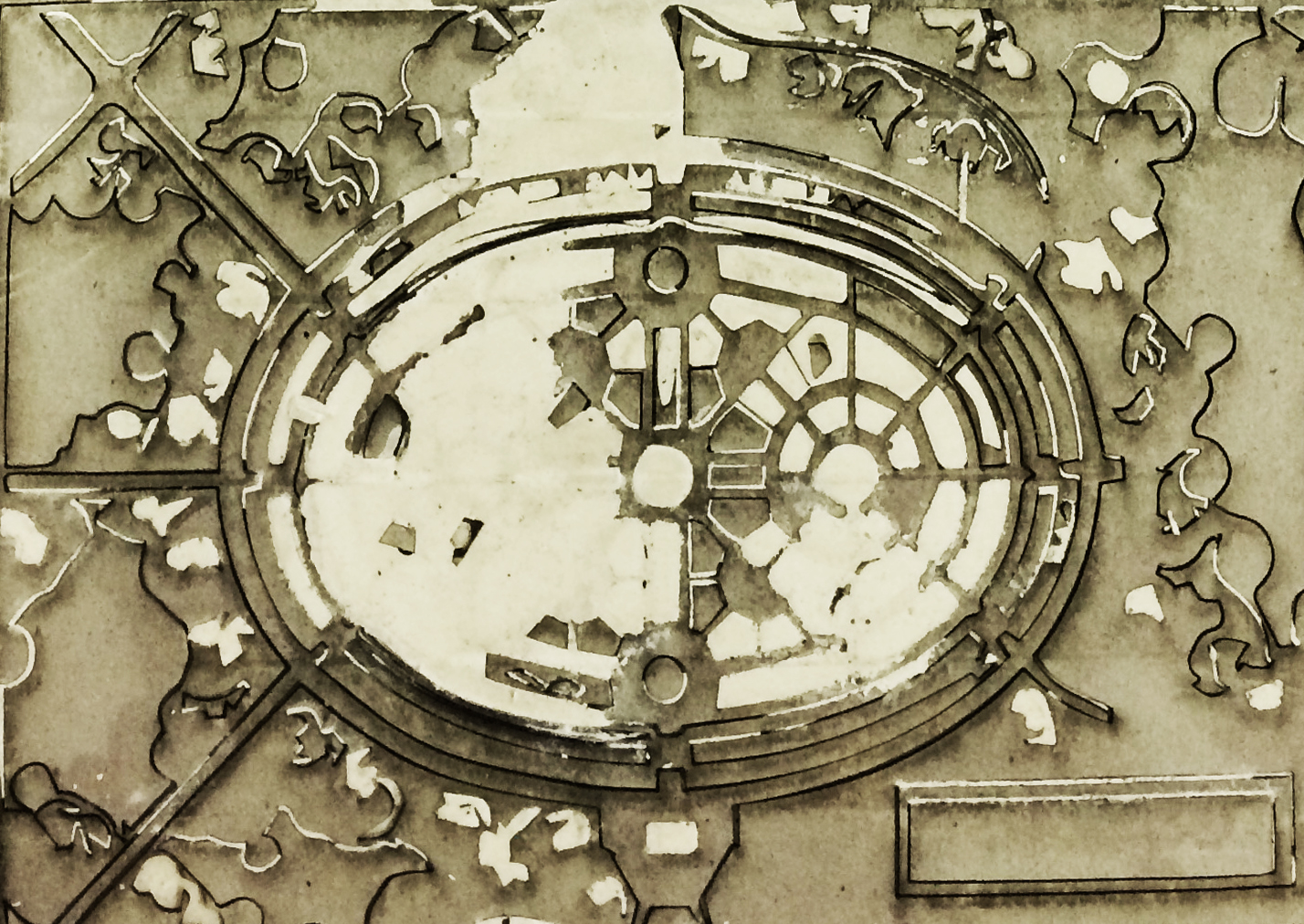
On the former site of a popular 18th-century bathing pool, an extensive new pleasure garden is provided for the enjoyment of today's public in this part of London. Small theatres, water landscapes, and bags full of optical trickery are all employed within the gardens to bring back sensuousness and playfulness into what is otherwise a tough urban site. Illusions are combined from Italianate and Chinese cultures, such as the water-gardens of Suzhou, with names like 'The Garden of Matter' and The Garden of Falling Skies'. Buildings and plants become fused together in a delirious and joyous riot of forms, materials and colours. To the south, the gardens also incorporate the gravestones of the previous cemetery as a memento mori.

Pop-Up High Street//Jessica HODGSON [Y3]


The Loughborough Estate in Brixton is one of the poorest and toughest areas in London, and so, to help to improve its social and economic potential, this project envisages the provision of communal gardening and retail facilities such as 'pop-up' shops, greenhouses, youth centre, allotments, park spaces, etc. Many of the temporary units can come and go depending on whatever demand there is from small local entrepreneurs, or else spring into life when a festival-type ritual is taking place. Meanwhile, the main permanent elements in the scheme are to be constructed out of brick by local residents, using many different types of bonds and jointing, thereby acting also as a skills training exercise through its very creation.

Billboard Farm//Tomiris KUPZHASSAROVA [Y3]


The large advertising billboards within our cities could be redesigned to be occupied behind by greenhouses, affordable apartments and community facilities. This is proposed here, firstly, for the iconic signs on Piccadilly Circus, and secondly for a busy roundabout on the fringe of the City of London. The light and heat that is being produced anyway by the billboard signs is to be redistributed as a kind of financial subsidy that supports the lifestyle of poorer local residents who have apartments in the spaces behind or who grow edible plants in the new greenhouses. Fragmented signs also provide a more sensuous visual appearance for the billboards, reinvigorating what has become a rather dull aspect of the urban scene.

Brick and Bread Bakery//Shirley LEE [Y3]


Bricks and bread are the very stuff of life in the suburbs of London, and not least in Golders Green, where the bread-making rituals of time-honoured Jewish tradition can still be found. Of similar size, yet of different material and purpose, bricks and bread happen to share a common process for their production, that of baking. So this scheme proposes that these baking activities should be combined into one hybridized building sitting between a row of semi-detached dwellings and a former music hall venue, the Golders Green Hippodrome. The two tall chimneys for the brick-making and bread-making act as practical and symbolic references to the domestic rituals which take place each day in the houses around.

The Red Nest//Mateir MITRACHE [Y3]


What happens if we were to view the city solely from its rooftops, tracing the unique routes and haptic experiences of the parkour artist? No longer tied to street-based solutions, a range of new possibilities emerge, such as for instance in the desire to improve medical treatment within the city. The use of drones to distribute emergency blood supplies would be 5 times faster and 9 times cheaper than using ambulances or motorcycle couriers, so this project imagines the old historic buildings in a busy London hospital -- the venerable St Bart's --being retrofitted with vertiginous landing pads to accommodate the good-hearted 'mosquitos' which would be buzzing over our heads in their efforts to save lives.

Barnes Boating House//Angelica CHEN [Y2]


On a thin sliver of land situated between the River Thames and a small reservoir, a new boating house is provided for those citizens who like messing about in boats on the river -- while facing in the other direction, a look-out tower enables ornithologists to spot rare waders and other species that nest within this tranquil bird reserve area, which is memorably named the Leg of Mutton Nature Reserve. A tough but bold form of architecture is thereby introduced into the flood-prone riverside landscape of west London, while the everyday rituals of preparing, launching, and removing the various rowing boats creates an exciting visual dynamic for the scheme. 

The Beautiful Game//Minesh PATEL [Y2]


As the epitome of a multi-functional space of leisure that is able to offer a sense of escape within the busy heart of London, Regent's Park contains many delights, but a nicely designed facility for its Sunday League footballers is not one of them. Here therefore a brand new building is partially buried into scenic mounds that also form a framework to site terraces on which one can watch amateur soccer matches, or, if preferred, games of cricket that take place on some additional pitches for that purpose. When not being used for viewing sport, these fractured terraces offer plentiful spots for lounging picnickers or for those who wish to take a breather while walking their dogs.

The Soho Congee Club//Pink PROTPAGORN [Y2]


We know from press coverage that Chinese migrant workers are badly exploited in Soho, working hard for almost no pay and with little care being given to their living conditions. Here instead a new collective facility is provided to function as a temporary club for migrants, with the activities being hidden behind a typical London street façade. The interior is filled up with timber prefabricated cubicles and non-programmed spaces in which the temporary residents can sleep, wash, eat and play. The vibrancy of street life in Chinese cities is thereby transferred to this very different type of Soho club, offering a respite in the city centre for those who otherwise have few privileges.

Rites of the Afterlife//Amanda TAM [Y2]


Life and death underpin the ritualistic practices of the various groups who inhabit our cities, with the result being that different value systems are frequently brought into close proximity that otherwise the activities would never be expected to have. Here in what appears to be otherwise a plain crematorium and cemetery in east London, within the seemingly undifferentiated sprawl of the suburbs, we find that two contrasting but equally vivid time-based rituals such as Chinese Ancestors' Day and Sunday League football are forced to share a common site boundary. A redesigned crematorium caters for the deceased from the British-Chinese population in London, while its pathways double as terraces from which to watch hectic football matches.

House for Chinese-Style Fishing//Fei WALLER [Y2]


A redundant and rotting wooden pier in Woolwich, not far from the Thames Barrier, is given new life as a home and working site for a fisherman. But this is not your typical rod-based, western-style fishing. Instead the techniques to be used are more ancient ones imported from China. They consist, firstly, of the casting of large nets into the river from steel frames attached to the pier's edge, as a form of mass fishing; and secondly, in more targeted fashion, the use of cormorants in boats which catch fish but have a loose cord around their neck so they don't swallow. This cross-cultural activity is symbolic of a River Thames which is increasingly remediated and full of tasty catches.

Robin Hood Gardens Revisited//Angell YAO [Y2]


The Smithsons' classic scheme for Robin Hood Gardens, with its vision of communal 'streets in the sky', is now scheduled for demolition unless a last-minute reprieve can be won. The fiery debates about the Smithsons' building encapsulate the conflict between preserving built heritage and the desire to profit from London's obscene housing market. What, however, if the building was not knocked down, but modernised instead? Here a series of vertical fin gardens which use hydroponics to offer recreational activities to residents, as well as a handy source of food, while two taller community towers add much-needed services to the housing estate. Now, with small cinemas and other attractive social facilities, this much-criticised scheme can be made desirable for the contemporary age

Sunday, 17 May 2015

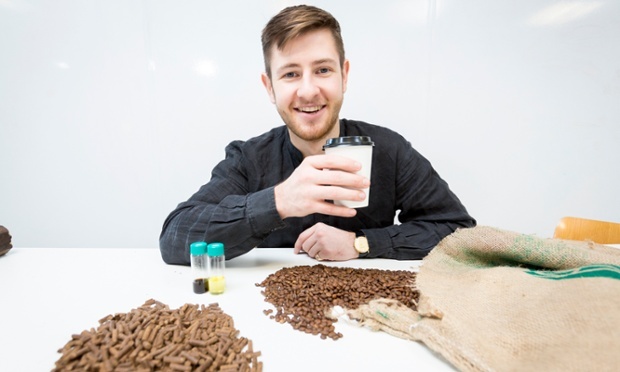
Former Bartlett Unit 0 student Arthur Kay: Guardian sustainable business leader of the year 2015


Many congratulations to Arthur Kay in winning the Guardian sustainable business leader of the year 2015.

Bio Bean is a green energy company that has industrialised the process of recycling waste coffee grounds into Advanced Biofuels.

Link: www.theguardian.com/sustainable-business/2015/apr/30/arthur-kay-guardian-sustainable-business-leader-of-the-year-2015

Website: http://www.bio-bean.com

Saturday, 21 March 2015


Wednesday, 18th March 2015
UG UNIT 0, Term 2, End-of-Term Crits
Rooms 136 + 137, 140 Hampstead Road

URBAN RITUALS

Special thanks to our invited critics in providing an invaluable input to the students.  
Luke Olsen - Technical tutor at Bartlett School of Architecture
Anthony Boulanger- Lecturer at Westminster
Ben Cowd- Senior Lecturer at De Montfort University
James Cheung- Senior Associate at Arup Associates
Hazel McGregor-Architect at Allies and Morrison
Ben Allwood-Engineer at Max Fordham
Konrad Holtsmark-Former Unit 0 student
Jack Sardeson -Former Unit 0 student
Matthew Butcher-BA Programme Leader
David Patterson- Partner at Make Architects

Murray Fraser-Unit 0 Design tutor
Justin C.K. Lau-Unit 0 Design tutor
Sara Shafiei-Unit 0 Design tutor